70-Year Trends in Human Organ Transplantation and Bioengineering

How Did Organ Transplantation Evolve from Desperate Surgery to Engineered Life?
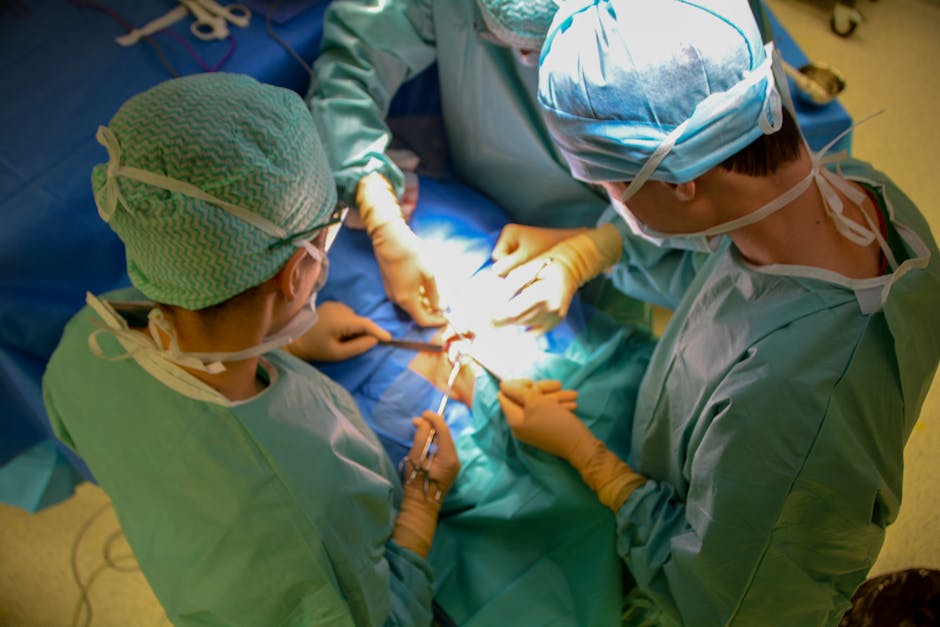
In 1954, Dr. Joseph Murray performed the first successful human kidney transplant between identical twins at Brigham Hospital in Boston. The recipient, Richard Herrick, lived eight more years with his brother's kidney. Today, nearly 70 years later, surgeons transplant genetically modified pig hearts into humans while researchers print living tissues in laboratories. This extraordinary journey represents one of medicine's most dramatic transformations—from desperate surgical experiments to sophisticated biotechnology that challenges the very boundaries between natural biology and human intervention. The evolution of organ transplantation reveals a pattern of accelerating innovation driven by persistent organ shortages, advancing technology, and shifting ethical boundaries. What began as experimental surgery has evolved into a sophisticated field encompassing immunosuppression, xenotransplantation, tissue engineering, and emerging cloning technologies. Each era has brought new possibilities while raising profound questions about the nature of human life and the limits of medical intervention.The Pioneer Era (1950s-1960s): First Steps in Human-to-Human Transplantation
The 1950s marked the dawn of modern transplantation medicine, characterized by bold surgical experiments and devastating failures. Beyond Murray's historic kidney transplant, this decade saw rapid expansion of transplant attempts despite primitive immunosuppressive capabilities. Dr. Christiaan Barnard performed the world's first human heart transplant on December 3, 1967, in Cape Town, South Africa. The recipient, Louis Washkansky, survived just 18 days before dying of pneumonia. During this pioneer era, transplant outcomes remained dismal due to organ rejection. Medical records show that survival rates were extremely low when organs came from unrelated donors. The medical establishment was divided on the ethics of these procedures, with many physicians viewing them as experimental surgery rather than legitimate treatment. Post-war optimism about medical progress coincided with growing concerns about playing God with human life. Religious leaders debated whether transplantation violated divine will, while science fiction began exploring themes of body modification that would later influence bioengineering discourse. Key technological limitations defined this era: no effective immunosuppressive drugs, primitive organ preservation methods, and limited understanding of tissue compatibility. Total irradiation was used to suppress immune systems, often killing patients before rejection could occur. Despite these challenges, pioneers like Dr. Murray established fundamental surgical techniques and proved that organ transplantation was theoretically possible.The Immunosuppression Revolution (1970s-1980s): Making Transplants Viable
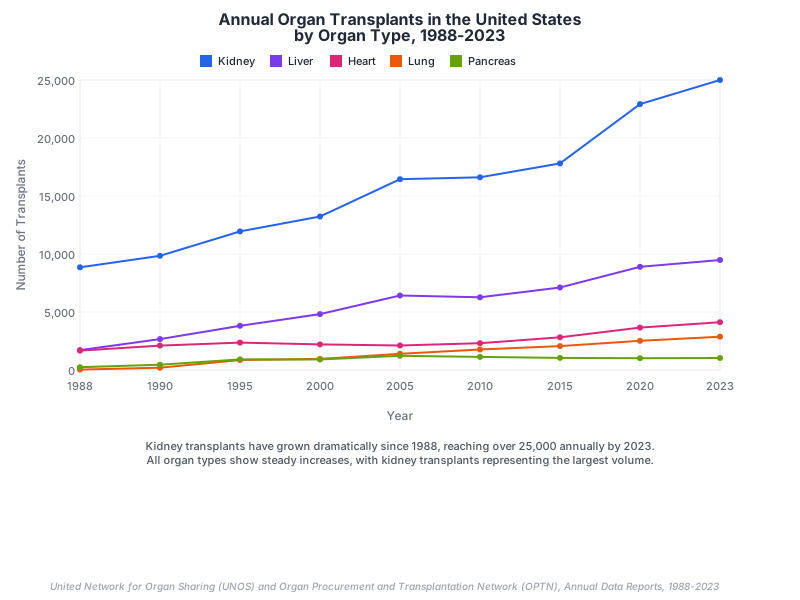
The introduction of cyclosporine in 1978 revolutionized transplantation medicine, transforming it from experimental surgery to viable therapy. Discovered by Jean-François Borel at Sandoz in Switzerland, cyclosporine selectively suppressed T-cell activation while preserving other immune functions. Clinical trials led by Dr. Roy Calne at Cambridge University showed dramatic improvements in transplant survival rates. By the mid-1980s, transplant survival rates had improved dramatically across all organ types. Dr. Norman Shumway's heart transplant program at Stanford University, which had been suspended in 1970 due to poor outcomes, resumed operations in 1980 and became highly successful. This period witnessed the establishment of organ procurement organizations and transplant networks. The United Network for Organ Sharing (UNOS) was established in 1984 to manage the national organ allocation system, creating standardized waiting lists and allocation protocols. Liver transplantation emerged as a clinical reality during this era. Dr. Thomas Starzl performed the first successful human liver transplant in 1967, but consistent success only came with cyclosporine. The complexity of liver surgery required teams of 15-20 specialists working 12-18 hour operations. Cultural acceptance of transplantation grew significantly during the 1980s. High-profile cases like Baby Fae, who received a baboon heart in 1984, sparked public debate about xenotransplantation while normalizing the concept of organ replacement. Television medical dramas began featuring transplant storylines, and organ donation became associated with heroic sacrifice rather than medical experimentation. The economic implications of successful transplantation became apparent during this period. Kidney transplants proved more cost-effective than chronic dialysis treatment over time, creating financial incentives for transplantation over chronic dialysis.The Organ Shortage Crisis (1990s-2000s): Expanding Criteria and New Technologies
The 1990s brought a paradoxical crisis: transplantation had become so successful that organ demand far exceeded supply. Waiting lists grew dramatically while the number of available organs remained relatively static. The median waiting time for kidney transplants increased substantially during this period. This shortage drove innovation in multiple directions. Living donor transplantation expanded beyond kidneys to include liver segments, lung lobes, and intestinal segments. Living donors eventually provided a significant percentage of kidney transplants and a growing percentage of liver transplants. Expanded criteria donor (ECD) programs began accepting organs from older donors and those with medical conditions previously considered disqualifying. Donation after cardiac death (DCD) protocols, suspended in the 1970s due to ethical concerns, resumed in the 1990s with refined procedures. Xenotransplantation research intensified during this period, driven by the potential of unlimited organ supply. Several biotechnology companies developed genetically modified pigs designed to reduce immunological rejection. However, concerns about porcine endogenous retroviruses (PERVs) and the risk of creating new human diseases led to regulatory restrictions on xenotransplantation trials. Tissue engineering emerged as a potential solution to organ shortage. Researchers at MIT and other institutions developed biodegradable polymer scaffolds that could be seeded with cells to grow new tissues. The famous "mouse with a human ear" photograph from 1995 captured public imagination about growing organs in laboratories. Immunosuppressive protocols became more sophisticated during this era. The introduction of tacrolimus (FK506) in 1994 provided an alternative to cyclosporine with different side effect profiles. These drugs enabled successful transplantation of previously impossible organs, including hands, faces, and composite tissues.The Regenerative Medicine Era (2000s-2010s): Stem Cells and Tissue Engineering
The new millennium ushered in an era of regenerative medicine, promising to grow replacement organs from patients' own cells and eliminate both organ shortage and rejection. President George W. Bush's 2001 decision to limit federal funding for embryonic stem cell research shaped the field's development, while private companies and state governments invested billions in alternative approaches. Dr. Shinya Yamanaka's 2006 discovery of induced pluripotent stem cells (iPSCs) revolutionized regenerative medicine by providing embryonic-like stem cells without using embryos. iPSCs could theoretically be derived from any patient's skin cells and differentiated into any organ type, eliminating both ethical concerns and immunological rejection. Yamanaka shared the 2012 Nobel Prize in Physiology or Medicine for this breakthrough. Tissue engineering achieved its first clinical successes during this period. Dr. Anthony Atala at Wake Forest University grew the first lab-engineered bladders, implanted into patients with successful outcomes. Researchers at the University of Minnesota developed whole organ decellularization techniques, stripping cells from cadaveric hearts and reseeding them with stem cells to create "ghost organs." 3D bioprinting emerged as a potential manufacturing platform for engineered tissues. Several companies developed bioprinters that could deposit living cells in precise three-dimensional patterns. Early commercial products included printed liver tissue for drug testing applications. The organ shortage crisis continued to worsen despite technological advances. Waiting lists continued to grow while daily deaths from organ shortage remained a persistent problem, driving continued innovation in organ preservation, allocation algorithms, and surgical techniques. Machine perfusion technology advanced significantly during this period. New organ preservation systems maintained hearts and lungs in a beating, breathing state during transport, extending viable preservation time and improving organ quality.The CRISPR and Xenotransplantation Renaissance (2010s-2020s): Precise Genetic Engineering
The development of CRISPR-Cas9 gene editing technology transformed xenotransplantation from a distant dream to a clinical reality. Researchers used CRISPR to create genetically modified pigs suitable for human organ transplantation. A major breakthrough came when scientists successfully eliminated porcine endogenous retroviruses from pig cells using CRISPR, addressing the primary safety concern that had halted xenotransplantation research in the 1990s. The first successful pig-to-human heart transplant was performed on January 7, 2022, at the University of Maryland Medical Center. The recipient, 57-year-old David Bennett, received a heart from a pig modified with 10 genetic alterations. Bennett survived 60 days with the pig heart before dying from heart failure, marking both a breakthrough and highlighting ongoing challenges in xenotransplantation. Several biotechnology companies emerged as major players in xenotransplantation during this period, investing substantial resources in developing genetically modified pigs for organ transplantation. Clinical trials for pig kidney transplants began at major medical centers, representing a significant step toward clinical implementation. Organ preservation technology achieved major breakthroughs during this era. Researchers developed supercooling techniques that significantly extended organ preservation times. Advanced perfusion systems expanded to include multiple organ types, creating possibilities for improved organ transport and outcomes. The COVID-19 pandemic significantly impacted transplantation medicine, reducing organ donation substantially in 2020. However, the pandemic also accelerated telemedicine adoption in transplant care and highlighted the importance of organ allocation equity, leading to policy reforms that reduced geographic disparities in organ access. Artificial organ development progressed significantly during this period. The SynCardia Total Artificial Heart became a viable bridge to transplantation for patients with end-stage heart failure. Thousands of patients received the device, with some surviving several years while waiting for donor hearts.The Current Era (2020s): Emerging Technologies and Ongoing Challenges
The 2020s have witnessed continued advancement in multiple approaches to addressing organ shortage. Xenotransplantation appears closest to widespread clinical implementation, with multiple pig-to-human trials expected to expand in the coming years. Artificial intelligence has begun to influence organ allocation and transplant outcomes. UNOS and other organizations have implemented machine learning algorithms to optimize organ matching, considering multiple variables to maximize transplant success rates. These systems can predict organ quality, recipient outcomes, and optimal preservation protocols with improved accuracy. Gene editing has moved beyond xenotransplantation to potential direct modification of human organs. Researchers have demonstrated genetic correction techniques in laboratory settings, potentially preventing inherited diseases that lead to organ failure. Organ-on-chip technology has emerged as an alternative approach for some applications. Several companies have developed microfluidic devices containing human cells that replicate organ function for drug testing and disease modeling. These systems may eventually replace some organ functions without requiring surgical transplantation. The organ shortage remains at crisis levels despite technological advances. Current waiting lists exceed 100,000 Americans, with median wait times for kidneys exceeding five years in some regions. This persistent shortage continues to drive innovation in alternative approaches.Future Trajectories: Where Organ Replacement is Heading
The trajectory of organ transplantation suggests several converging trends that will likely define the next decade. Xenotransplantation appears closest to widespread clinical implementation, with multiple pig-to-human trials expected to expand significantly. The success of recent heart and kidney xenotransplants, despite their limitations, has provided proof-of-concept for genetically modified animal organs. Artificial intelligence integration will likely accelerate across all aspects of transplantation. Machine learning algorithms may eventually predict organ rejection before clinical symptoms appear, potentially preventing graft loss through early intervention. AI-designed immunosuppressive protocols may reduce drug toxicity while maintaining transplant success rates. Bioprinting of whole organs may achieve clinical reality within the next 15-20 years, driven by advances in vascular network printing and stem cell biology. The ability to print organs from patients' own cells would eliminate both organ shortage and rejection, representing the ultimate goal of regenerative medicine. Gene editing technologies will likely expand to prevent organ failure before it occurs. CRISPR-based therapies may correct genetic defects that lead to kidney disease, cardiomyopathy, and liver dysfunction, reducing the need for transplantation.While the article celebrates 70 years of transplant innovation as unqualified progress, some health economists argue this trajectory represents a fundamental misallocation of resources. The billions invested in developing complex biotechnologies might have prevented far more organ failures if directed toward addressing root causes like diabetes, hypertension, and environmental toxins—suggesting our "advancement" may actually reflect healthcare system failure rather than success.
The push toward creating genetically modified animals and emerging biotechnologies for transplantation raises questions about whether we're crossing ethical lines that previous generations established. Critics argue that normalizing the industrial production of sentient beings for organ harvesting, or pursuing increasingly complex technological solutions, represents a concerning direction that prioritizes technological capability over addressing fundamental healthcare inequities.
Key Takeaways
- Human organ transplantation evolved from experimental surgery with dismal survival rates in the 1960s to routine medical procedures with high success rates today, primarily due to immunosuppressive drug development.
- The persistent organ shortage crisis—with over 100,000 Americans currently on waiting lists—has driven innovation in xenotransplantation, tissue engineering, artificial organs, and emerging biotechnologies.
- CRISPR gene editing has enabled the first successful pig-to-human organ transplants, with clinical trials expanding after addressing viral contamination concerns that halted xenotransplantation research in the 1990s.
- Artificial intelligence is beginning to optimize organ allocation and predict transplant outcomes, while 3D bioprinting and stem cell technologies promise future organ manufacturing capabilities.
- Multiple technological approaches are converging—xenotransplantation, AI optimization, bioprinting, and genetic modification—which may address the organ shortage crisis within the next two decades.
- Regulatory and ethical frameworks continue to evolve as they struggle to keep pace with rapidly advancing biotechnologies in organ replacement.