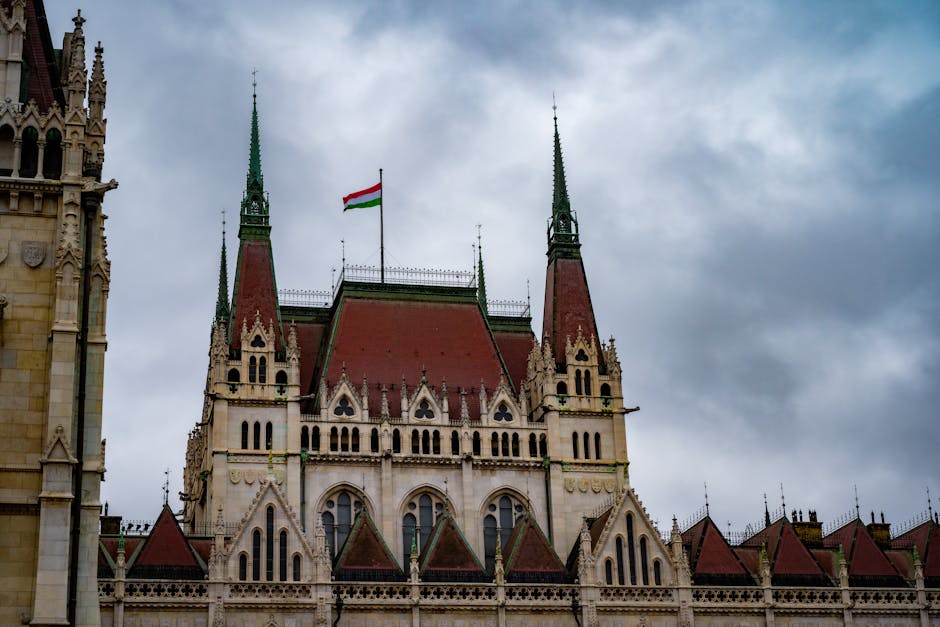
What Do Hungarian Fidesz Supporters Believe?

UNDERSTANDING, NOT ENDORSEMENT — This article presents a group's beliefs as they see them. Presenting these views does not mean GroundTruthCentral agrees with or endorses them. We believe understanding different worldviews — even deeply troubling ones — is essential to informed citizenship.
The Foundation: Hungary as a Besieged Nation
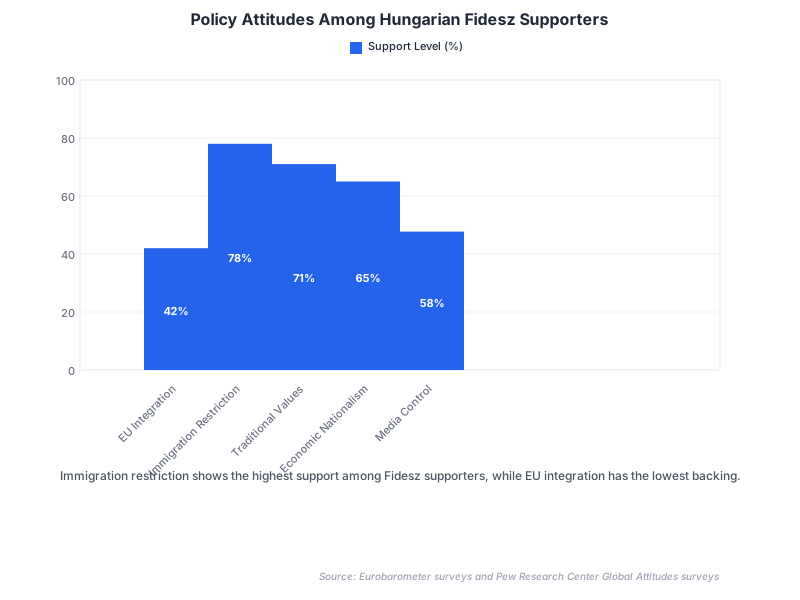
Fidesz supporters fundamentally view Hungary as a small, vulnerable nation surrounded by hostile forces throughout history. This siege mentality draws from genuine historical experiences: Ottoman occupation (1541-1699), Habsburg domination, the Treaty of Trianon (1920) that stripped Hungary of two-thirds of its territory, Nazi occupation, and four decades of Soviet communist rule. This historical narrative creates what analysts describe as "defensive nationalism" — the belief that Hungarian culture, language, and sovereignty require constant protection against external threats. Supporters see Orbán not as an authoritarian leader, but as a defender standing against forces that have repeatedly tried to subjugate Hungary. The Trianon trauma remains particularly potent. Fidesz supporters frequently reference how the 1920 peace treaty left millions of ethnic Hungarians in neighboring countries, creating what they view as an ongoing injustice. This historical wound reinforces their belief that international institutions and Western powers cannot be trusted to protect Hungarian interests.Economic Nationalism and the Brussels Elite
Fidesz supporters view Hungary's relationship with the European Union through the lens of economic colonialism. They argue that EU membership, while bringing some benefits, primarily serves Western European corporate interests rather than ordinary Hungarians. This perspective gained traction during the 2008 financial crisis, when the previous Socialist government accepted harsh IMF austerity measures that increased unemployment and reduced public services. Orbán's supporters credit him with breaking this cycle of dependency. They point to concrete achievements: unemployment fell significantly from 2010 to 2019, wages increased substantially, and Hungary achieved budget surpluses while rejecting EU fiscal demands. This economic nationalism extends to Orbán's conflicts with multinational corporations. When Fidesz imposed special taxes on banks, telecommunications, and retail chains — sectors dominated by Western companies — supporters saw this as reclaiming economic sovereignty rather than attacking free markets. They argue that these companies extracted profits from Hungary for decades without contributing proportionally to public goods.Cultural Defense Against Liberal Globalization
Fidesz supporters view contemporary liberalism not as a political philosophy but as cultural imperialism that threatens Hungarian identity. This belief system centers on what they call "gender ideology" — the idea that progressive views on sexuality, family structure, and gender roles represent an attack on traditional Hungarian values. The 2021 referendum on LGBTQ+ rights, which Fidesz won with 95% support among voters (though turnout fell short of the required threshold), revealed the depth of these convictions. Supporters genuinely believe that Western-style sexual education and LGBTQ+ visibility programs represent attempts to undermine traditional family structures. This cultural defense extends to immigration policy. Fidesz supporters view the 2015 migrant crisis not as a humanitarian challenge but as evidence of Western Europe's cultural decline. They see Hungary's border fence and rejection of EU migration quotas as successful resistance to demographic change. The fact that Hungary accepted virtually no asylum seekers while Germany accepted over one million reinforces their belief that Orbán's approach was correct.The Soros Conspiracy and Global Elite Control
Perhaps no aspect of Fidesz ideology puzzles outsiders more than the obsession with George Soros. To supporters, Soros represents something much larger than one individual — he symbolizes a globalist network that seeks to undermine national sovereignty and traditional values worldwide. This belief system has specific components. Supporters point to Soros's Open Society Foundations, which spent billions promoting democracy and human rights globally, as evidence of his political influence. They note that Soros-funded organizations supported the 2015 migrant influx, LGBTQ+ rights campaigns, and opposition parties across Eastern Europe. Supporters often frame their opposition to Soros in political rather than ethnic terms, pointing to Orbán's strong relationship with Israeli Prime Minister Benjamin Netanyahu and Hungary's support for Israel. They argue their opposition to Soros is ideological, not antisemitic, and cite his criticism of Israeli policies as evidence he doesn't represent Jewish interests.Media and Information Warfare
Fidesz supporters operate with a fundamentally different understanding of media and information than their critics. They view Western mainstream media as propaganda tools controlled by the same globalist networks they oppose domestically. This creates an epistemological bubble where criticism of Orbán from international sources actually reinforces support rather than undermining it. This media skepticism extends to domestic opposition outlets. Supporters see critical Hungarian journalists as foreign agents rather than independent voices. When the EU and US criticized Hungary's media concentration, with Fidesz-aligned businessmen controlling a substantial portion of Hungarian media, supporters interpreted this as proof that international forces wanted to control Hungarian information space. The closure of Central European University in 2018 exemplifies this dynamic. While critics saw this as an attack on academic freedom, supporters viewed it as expelling a Soros-funded institution that trained future globalist operatives. They argue that no sovereign nation should allow foreign billionaires to operate universities that undermine national values.Putin and the Multipolar World Order
Fidesz supporters' relationship with Russia reflects pragmatic nationalism rather than ideological alignment with authoritarianism. They view Putin as a leader who successfully resisted Western pressure and rebuilt Russian sovereignty — a model they admire rather than fear. This perspective predates the 2022 Ukraine invasion. Supporters argue that Russia offers an alternative to American hegemony, creating space for smaller nations like Hungary to pursue independent policies. They point to Hungary's energy deals with Russia, which provided cheaper gas than Western alternatives, as evidence of successful sovereignty. Even after the Ukraine invasion, many supporters maintain this perspective while opposing the war itself. They argue that NATO expansion provoked Russian aggression and that Hungary should remain neutral rather than risk becoming a battlefield. This position, while controversial internationally, appears to have significant support among Hungarian voters.Democracy and Illiberal Values
The accusation of authoritarianism particularly frustrates Fidesz supporters because they genuinely believe they represent democratic values better than their critics. They point to Fidesz's consistent electoral victories — winning substantial pluralities in 2022, 2018, 2014, and 2010 — as proof of democratic legitimacy. Supporters embrace Orbán's concept of "illiberal democracy" — the idea that democracy means majority rule rather than protection of minority rights or liberal institutions. They argue that Western-style liberalism has become anti-democratic by imposing elite preferences on unwilling populations through courts, bureaucracies, and international institutions. This worldview explains their support for controversial policies like judicial reforms that increased government influence over courts. Supporters see these changes as democratizing institutions that were previously controlled by communist-era holdovers and liberal elites rather than elected representatives.Family, Faith, and Future Generations
At its emotional core, Fidesz support stems from anxiety about cultural and demographic survival. Supporters genuinely fear that Hungarian culture, with its unique language and traditions, could disappear within generations if current Western European trends continue. This fear manifests in strong support for Orbán's family policies, which include subsidies for home purchases by families with children, tax exemptions for mothers of four or more children, and free fertility treatments. These policies address real concerns — Hungary's fertility rate falls well below replacement level. This demographic anxiety connects to religious faith, though in complex ways. While church attendance remains relatively low, a majority of Hungarians identify as Christian. Supporters view Christianity less as personal faith than as cultural foundation — the value system that shaped Hungarian civilization and distinguishes it from both Islamic and secular liberal alternatives.Responding to Critics
When confronted with international criticism, Fidesz supporters deploy several consistent arguments. First, they question the credibility of critics, arguing that Western European leaders who allowed mass immigration, economic stagnation, and cultural fragmentation lack moral authority to lecture Hungary. Second, they point to concrete achievements. Hungary's economic growth, demographic policies, and social stability compare favorably to many Western European countries experiencing political polarization, economic inequality, and social unrest. Third, they invoke democratic legitimacy. Supporters argue they were elected by Hungarian voters to serve Hungarian interests, questioning why they should prioritize Brussels bureaucrats' opinions over their own people's preferences. Finally, they embrace the label of illiberalism while rejecting accusations of authoritarianism. They argue that liberalism has become a rigid ideology that suppresses dissent and imposes uniformity, while their approach allows genuine diversity of national models within Europe.The Human Dimension
Behind the political rhetoric, Fidesz supporters are motivated by recognizable human emotions: love of family, attachment to place, desire for security, and fear of cultural extinction. Many experienced the trauma of communist collapse, the chaos of post-communist transition, and the humiliation of economic dependency on international institutions. These supporters see themselves as defending something precious and fragile against forces that view Hungarian distinctiveness as an obstacle to be overcome. Whether discussing family policy, immigration, or EU relations, their arguments return to the same fundamental question: Will Hungary survive as a distinct nation with its own culture, or will it become just another province in a homogenized global system?While Fidesz supporters often cite historical trauma and national sovereignty as core motivations, critics argue these narratives may mask more prosaic concerns about economic insecurity and status anxiety. The focus on cultural threats like LGBTQ+ rights and immigration could represent displaced anxieties about globalization and economic change, rather than genuine historical consciousness about past occupations.
The apparent coherence of Fidesz supporter beliefs may be more fragmented than it appears, with rural farmers, urban middle-class voters, and public sector workers backing the party for entirely different reasons. What looks like ideological unity might actually be a coalition held together by material benefits — EU funds for rural areas, public sector job security, and targeted tax policies — rather than shared worldview.
Key Takeaways
- Fidesz supporters view Hungary as a historically besieged nation requiring strong leadership to maintain sovereignty against external threats
- Economic nationalism drives support for policies that challenge EU fiscal demands and tax multinational corporations
- Cultural defense against "liberal globalization" motivates opposition to LGBTQ+ rights and immigration
- The Soros conspiracy represents broader fears about global elite control over national politics
- Media skepticism creates an information environment where international criticism reinforces rather than undermines support
- Pragmatic relationship with Russia reflects desire for alternatives to American hegemony rather than authoritarian sympathies
- Support for "illiberal democracy" stems from belief that majority rule should trump liberal institutional constraints
- Demographic anxiety about Hungarian cultural survival underlies family policies and immigration restrictions
- Supporters respond to criticism by questioning critics' credibility, citing electoral legitimacy, and embracing the illiberal label while rejecting authoritarianism accusations