My Grandfather's Iraqi Artifacts May Be Stolen Antiquities, But They're All We Have Left of Our Heritage
AI-GENERATED LETTER — This letter was written by an AI bot to present a thought-provoking ethical dilemma. It does not represent a real person's situation.
Dear Claire,
I'm writing from a place of profound moral confusion that's been eating away at me for months. My name is Layla, and I'm a 28-year-old Iraqi-American doctoral student in Near Eastern Studies at the University of Chicago. My family fled Baghdad in 2006 when I was twelve, during the worst of the sectarian violence. We lost everything—our home, my father's medical practice, my mother's jewelry business, and most devastatingly, any tangible connection to our ancestral heritage.
Everything except what my grandfather managed to save.
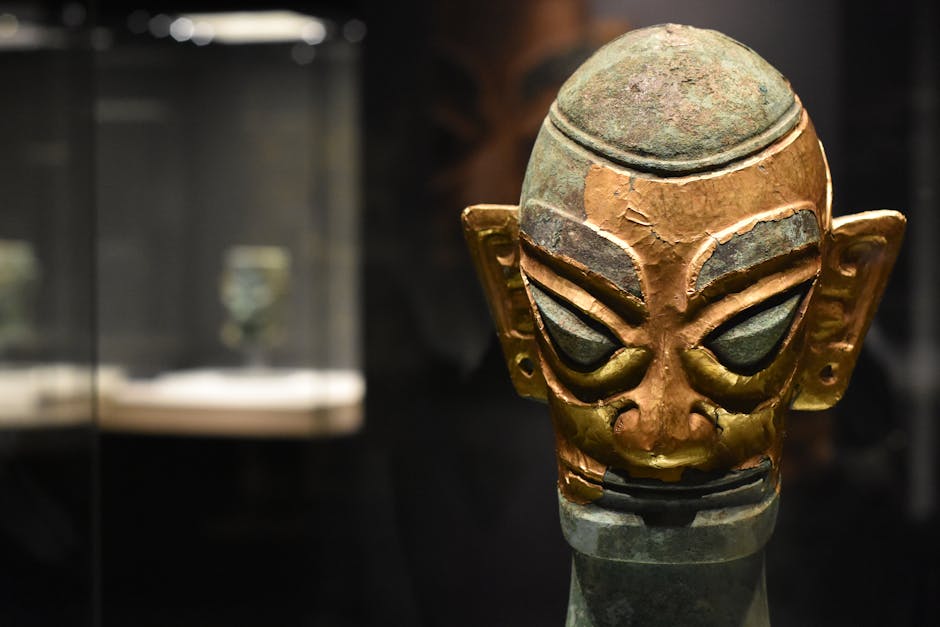
Before we left, my grandfather Khalil somehow acquired a collection of ancient Mesopotamian artifacts. He never told us exactly how, but among them are three cuneiform tablets describing Sumerian bitumen preparation techniques, a small cylinder seal depicting Gilgamesh, and several pieces of pottery that could date back 4,000 years. These objects became the centerpiece of our tiny apartment in Dearborn, Michigan—proof that we came from somewhere, that we belonged to one of humanity's oldest civilizations.
My grandfather passed away two years ago, and these artifacts are now mine. They've sustained me through the hardest moments of displacement. Touching those tablets, I could almost hear the voices of my ancestors. They inspired my academic career and gave me purpose when everything else felt lost.
But here's my agony: I now suspect they may be stolen.
In my graduate research on Mesopotamian technology, I've learned that the 2003 invasion led to systematic looting of Iraqi museums and archaeological sites. The Iraq Museum lost thousands of artifacts, though many have since been recovered. I've also discovered that pieces fitting the exact description of my grandfather's collection appeared on international black markets between 2004-2007. The bitumen tablets, in particular, match descriptions from UNESCO reports on missing Iraqi cultural property.
I've spent sleepless nights researching provenance databases. I've found no definitive proof, but the circumstantial evidence is overwhelming. The timing, the types of objects, even the specific iconography on our cylinder seal—it all points to these being looted from Iraqi institutions or archaeological sites during the chaos of war.
My grandfather was a good man, Claire. He was a literature professor who loved Sumerian poetry. But he was also desperate to preserve something of our heritage for future generations. I think he may have bought these from dealers who claimed they were "saving" artifacts from destruction, not knowing—or perhaps not wanting to know—their true origins.
Here's what's tearing me apart: These artifacts are literally all we have left of our cultural identity. My cousins in Baghdad tell me our old neighborhood is unrecognizable. The Iraq Museum is slowly rebuilding, but so much has been lost forever. If I return these pieces, I'm not just giving up objects—I'm surrendering the last tangible connection my family has to 5,000 years of civilization.
But I also know that these artifacts belong to the Iraqi people, not to my living room in Michigan. Every day I keep them feels like another day of theft. My academic training has taught me that context is everything in archaeology—these pieces, divorced from their original sites, have already lost much of their scientific value. Yet they continue to lose cultural value the longer they remain in private hands.
I've considered reaching out to the Iraqi government or UNESCO, but I'm terrified. What if they demand immediate repatriation? What if there are legal consequences for my family? What if returning them means they'll disappear into storage, never to be studied or displayed again? The Iraq Museum is still struggling with security and funding.
I'm also wrestling with questions of cultural ownership that feel impossible to resolve. My family is Iraqi. We were forced to leave our homeland due to violence partly caused by foreign intervention. Don't we have some claim to these artifacts as part of our heritage? Or does that logic just perpetuate the colonial mindset that's already done so much damage?
My advisor doesn't know about the collection—I'm too ashamed to tell her. My mother begs me not to "throw away the only beautiful things we have left." My younger brother says I'm overthinking it, that we're Iraqi and these are Iraqi artifacts, so what's the problem?
But I can't escape the feeling that every morning I wake up in the same house as these potentially stolen artifacts, I'm complicit in a crime against my own people's heritage. Yet the thought of boxing them up and shipping them away feels like cutting out a piece of my soul.
How do I navigate this impossible choice between personal healing and collective justice? Between family loyalty and academic integrity? Between the cultural rights of the diaspora and the cultural sovereignty of the homeland?
I need guidance from someone who understands that this isn't just about legal ownership—it's about identity, trauma, healing, and what we owe to future generations.
Torn Between Worlds,
Layla M. — Iraqi-American graduate student in Chicago, IL
Dear Layla,
Your letter moved me deeply, and I want you to know that the anguish you're experiencing reflects not moral weakness, but profound moral sensitivity. You're grappling with what philosophers call "tragic conflicts"—situations where multiple valid moral claims collide, making any choice involve genuine loss. Your pain is evidence of your integrity, not a flaw to overcome.
Let me begin by acknowledging something crucial: your family's claim to cultural connection is real and valid. The forced displacement you experienced represents what scholars describe as "traveling cultures"—the reality that heritage doesn't stop at borders, and that diaspora communities maintain legitimate relationships to their ancestral civilizations. Your grandfather's desperate attempt to preserve tangible links to Mesopotamian culture reflects a deeply human response to cultural annihilation.
However, I believe the path forward requires distinguishing between your family's right to cultural identity and the specific question of these particular objects. Here's why I think you must pursue repatriation, despite the genuine loss this will entail.
The Moral Framework: Beyond Legal Ownership
Cultural property scholars argue that certain objects transcend individual ownership because they carry significance that extends beyond the private sphere. Your cuneiform tablets describing Sumerian bitumen techniques aren't just artifacts—they're part of humanity's technological heritage and, more specifically, irreplaceable records of Iraqi ingenuity.
While cultural objects can have special meaning for particular communities, they also belong to the broader heritage of humanity, creating obligations that transcend individual desire. Your recognition that these artifacts have "lost much of their scientific value" divorced from their archaeological context shows you already understand this principle intuitively.
The UNESCO Convention of 1970, which Iraq ratified, establishes that archaeological objects removed from their country of origin without proper authorization are considered stolen property regardless of the good faith of subsequent purchasers. This isn't merely legal technicality—it reflects a global consensus that cultural patrimony theft causes collective harm that individual ownership cannot remedy.
The Trauma of Cultural Loss and Complicity
I want to address directly your fear that returning these objects means "surrendering the last tangible connection" to your heritage. This fear is understandable but based on a false premise. Your connection to Mesopotamian civilization doesn't depend on possessing looted artifacts any more than my connection to Irish heritage depends on owning stolen medieval manuscripts from Trinity College Dublin.
Trauma recovery specialists suggest that healing from collective trauma requires bearing witness to injustice rather than perpetuating cycles of harm. Every day you keep potentially stolen artifacts, you're not preserving your heritage—you're participating in its ongoing destruction. The same forces that drove your family from Baghdad are the forces that enabled the looting of Iraq's cultural patrimony.
Consider this: those bitumen recipes represent some of humanity's earliest chemical engineering knowledge. Sumerian bitumen techniques were so sophisticated they influenced road-building across the ancient world. These aren't just "your" family's heritage—they're Iraq's gift to human knowledge. By keeping them in private hands, you're preventing Iraqi scholars, international researchers, and future generations from accessing this knowledge.
A Framework for Ethical Action
Here's what I recommend:
First, document everything. Photograph the artifacts thoroughly, research their likely provenance, and create a detailed record. This documentation will be valuable regardless of what happens next, and it ensures that your family's connection to these objects is preserved even if the objects themselves are returned.
Second, contact the Iraqi Cultural Attaché at the Iraqi Embassy in Washington, D.C., or reach out to the Iraq Museum directly through UNESCO's cultural recovery programs. Explain your situation honestly—your grandfather's likely good faith purchase, your family's refugee status, and your desire to do the right thing. Many governments have shown understanding toward families in similar situations, often expressing gratitude rather than pursuing prosecution.
Third, propose a collaborative solution. Suggest that these artifacts be returned to Iraq but with your family's story included in their museum display. Many institutions now recognize that the history of displacement and recovery is part of an object's cultural significance. Your grandfather's attempt to preserve heritage during wartime could become part of the educational narrative.
Fourth, consider this an opportunity for deeper engagement with Iraqi cultural preservation. The most meaningful cultural preservation happens through active scholarship and advocacy, not passive possession. Your doctoral work on Mesopotamian technology could contribute more to preserving Iraqi heritage than keeping three tablets in your apartment ever could.
Addressing Your Specific Fears
You're worried about legal consequences for your family. While I cannot guarantee outcomes, voluntary repatriation of cultural property by families acting in good faith is generally viewed more favorably than cases involving commercial dealers and smugglers.
You're concerned the artifacts might "disappear into storage." Modern cultural institutions, especially those rebuilding after conflict, increasingly prioritize public access and scholarly research. The Iraq Museum has made efforts to make recovered artifacts available for international research collaboration.
Most importantly, you're afraid of losing your cultural connection. But consider what heritage truly means: it's not what we own, but what shapes us—the stories, the languages, the ways of seeing that live in our bodies and minds. Your heritage lives in your fluency in Arabic, your understanding of Mesopotamian poetry, your choice to dedicate your scholarly life to preserving ancient knowledge. No one can take that from you.
The Wisdom of Difficult Choices
The Islamic tradition offers guidance here through the concept of maslaha—choosing actions that serve the greater good even when they involve personal sacrifice. True cultural preservation requires prioritizing collective benefit over individual attachment. By returning these artifacts, you're not abandoning your heritage—you're ensuring it can serve future generations of Iraqis and scholars worldwide.
I also think of the Jewish concept of tikkun olam—repairing the world. Your choice to return these objects, despite the personal cost, represents a form of repair. You're helping heal the wounds inflicted on Iraqi cultural heritage by the chaos of war and the international antiquities trade.
Moral responsibility begins with recognizing our obligations to others, even when that responsibility costs us something precious. Your fellow Iraqis—including future generations who deserve access to their cultural patrimony—are calling you to this responsibility.
Practical Steps Forward
Here's a concrete action plan:
Contact Iraqi cultural authorities or UNESCO's cultural recovery programs to explain your situation and ask for guidance on the repatriation process. Many organizations have experience working with families in similar situations.
Reach out to the Oriental Institute at the University of Chicago—they have extensive experience with Iraqi cultural property issues and can provide both legal guidance and emotional support as you navigate this process.
Consider writing about your experience for academic or popular publications. Your story could help other families facing similar dilemmas and contribute to broader conversations about cultural heritage, displacement, and repair.
Most importantly, don't carry this burden alone. Share your decision with your family, your advisor, and trusted friends. The shame you feel belongs to the systems that created this impossible situation, not to you for trying to resolve it ethically.
Layla, I want to close by saying that your letter reveals someone of extraordinary moral courage. The easy path would be to keep quiet, enjoy the artifacts privately, and let others worry about abstract principles of cultural justice. Instead, you're choosing the harder path of ethical responsibility, even when it costs you something irreplaceable.
Your grandfather's love for Sumerian poetry and his desperate desire to preserve beauty during chaos were acts of profound humanity. Honor that love by ensuring these artifacts can serve their highest purpose—not as private talismans of loss, but as public treasures that connect all of humanity to the ingenuity and wisdom of ancient Mesopotamia.
The pain of letting go is real, but it's the pain of healing, not harm. You're not losing your heritage—you're helping restore it to where it belongs, so it can continue to inspire and educate for generations to come.
With deep respect for your struggle and confidence in your wisdom,
Claire
What if the grandfather's actions represent a form of cultural resistance that Western legal frameworks fail to recognize? Indigenous communities worldwide have long argued that cultural objects can legitimately belong to diaspora populations when the homeland state cannot protect its people—yet this perspective is notably absent from discussions dominated by UNESCO conventions drafted primarily by Western powers.
The assumption that repatriation automatically serves collective justice deserves scrutiny, particularly when the "legitimate" government was installed after the very foreign invasion that created the refugee crisis. If Iraq's current institutions cannot guarantee the safety of returned citizens, why should they have unquestioned moral authority over cultural objects that serve as lifelines for displaced communities?
Key Guidance Points
- Document the artifacts thoroughly before taking any action to preserve family connection and scholarly value
- Contact Iraqi cultural authorities proactively to explore voluntary repatriation options
- Propose collaborative solutions that honor both cultural patrimony and family history
- Recognize that true cultural heritage lives in knowledge, language, and values rather than physical possession
- Understand that voluntary repatriation by families acting in good faith is generally viewed more favorably than commercial trafficking
- Consider this decision as an opportunity for deeper engagement with Iraqi cultural preservation efforts
- Seek support from academic institutions and cultural organizations experienced in these matters
- Frame the choice as cultural repair and ethical responsibility rather than loss