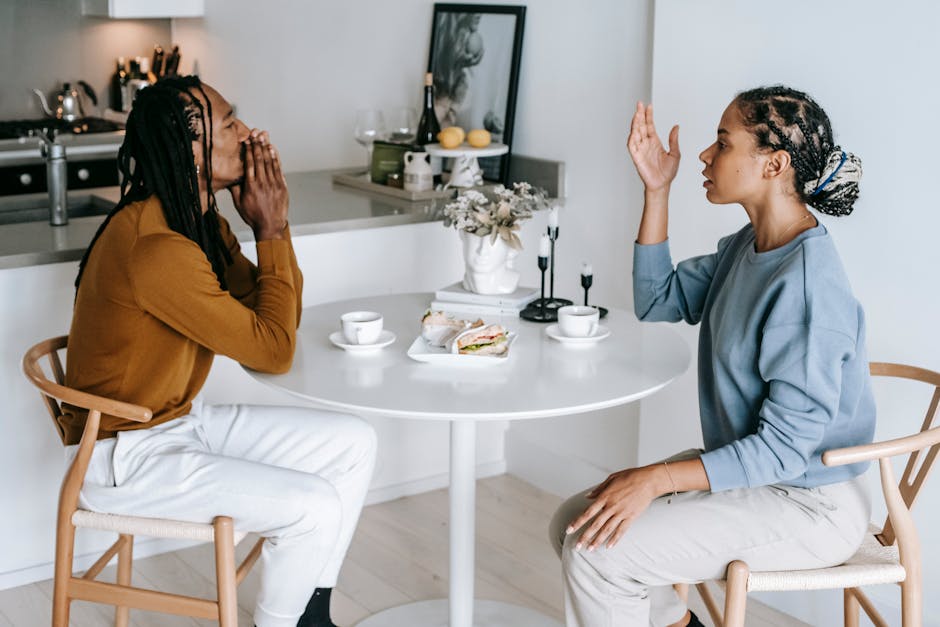
Why Do Coffee Dates Feel So Different From Dinner Dates?
You know that feeling when someone suggests "coffee" versus "dinner" and your entire emotional response shifts? Maybe coffee feels lighter, less pressurized, more like an escape hatch if things go badly. Or perhaps dinner feels more serious, more like a "real" date where something meaningful might actually happen. You're not imagining this difference — the psychology behind these two dating scenarios runs deeper than just the caffeine content.
The choice between coffee and dinner as a first date isn't just about logistics or budget. It's about signaling intentions, managing expectations, and creating entirely different psychological environments that can dramatically influence how two people connect. From the effects of caffeine on conversation to the social dynamics of shared meals, these seemingly simple choices tap into fundamental aspects of human bonding and courtship behavior.
The Psychology of Low-Stakes Versus High-Stakes Environments
Coffee dates operate in what psychologists describe as a "low-stakes environment" — a setting where the perceived consequences of failure feel minimal. When we feel less pressure to perform, our brains release less cortisol, the stress hormone that can inhibit natural conversation and authentic self-expression.
Dinner dates, by contrast, create what relationship researchers call "escalated investment scenarios" — situations where time, money, and social expectations combine to create performance pressure. When someone spends $80-120 on a dinner date, both parties unconsciously feel obligated to justify that investment with meaningful connection, even if the chemistry simply isn't there.
This pressure manifests in observable ways. Many people report feeling more anxious and self-conscious during formal dinner dates compared to casual coffee meetings. Dinner dates can make us more anxious and less ourselves.
But here's where it gets interesting: some people thrive under that pressure. The concept of "misattribution of arousal" suggests that moderate stress can actually enhance romantic feelings — we interpret our heightened state as attraction rather than anxiety. The key word is moderate; too much pressure kills the magic entirely.
Caffeine's Hidden Role in Connection
Coffee dates aren't just psychologically different — they're neurochemically different. Caffeine blocks adenosine receptors in the brain, which not only makes us more alert but also enhances dopamine signaling in the reward pathways. This means that during a coffee date, both people are experiencing heightened pleasure responses and increased focus on their conversation partner.
Moderate caffeine consumption increases sociability and positive mood while reducing social inhibition. You're not imagining that coffee makes conversation flow more easily — it does.
There's also the ritual aspect. Coffee culture has evolved into what anthropologists call a "third place" — neither home nor work, but a neutral social space designed for casual interaction. Coffee shops are engineered for conversation: moderate noise levels, comfortable seating arrangements, and lighting that's bright enough to see facial expressions clearly but not so bright as to feel clinical.
The Anthropology of Shared Meals
Dinner dates tap into something more primal. Sharing food is one of humanity's oldest bonding rituals, crucial to early human social development. When we eat together, we unconsciously engage in "behavioral mimicry" — matching eating pace, taking sips at similar times, even coordinating our chewing rhythms.
This synchronization triggers the release of oxytocin, often called the "bonding hormone." People who share meals report feeling more connected and trusting toward their dining partners compared to those who consume the same food separately.
But dinner dates also involve what sociologist Erving Goffman called "impression management" on steroids. How you hold your fork, whether you finish your plate, how you interact with the server — these become additional layers of evaluation beyond just conversation and attraction. Some people find this exciting; others find it exhausting.
Restaurant environments also influence behavior in subtle ways. Dimmer lighting (typical in dinner establishments) increases intimate disclosure — people share more personal information — but it can also make it harder to read facial expressions and nonverbal cues that are crucial for building trust.
Time Perception and Dating Psychology
Coffee dates typically last 30-90 minutes; dinner dates often stretch to 2-3 hours. This isn't just about scheduling — it's about how time perception affects emotional investment. Longer interactions don't necessarily lead to stronger connections if the chemistry isn't naturally there.
Shorter interactions can benefit from what psychologists call the "peak-end rule" — we judge experiences largely based on their emotional peak and how they end. A great 45-minute coffee date that ends on a high note often feels more positive in memory than a mediocre 3-hour dinner that dragged on too long.
The fixed endpoint of coffee dates also reduces "escalation anxiety." Both parties know the interaction has a natural conclusion, which paradoxically makes them more present and less worried about where things are heading. Dinner dates, especially good ones, create the question: "What happens next tonight?" This can be exciting or stressful, depending on your personality and emotional state.
Gender, Culture, and Dating Expectations
The coffee-versus-dinner choice also carries gendered and cultural implications that vary significantly across demographics. Many women report preferring coffee for first dates, citing safety, flexibility, and reduced pressure, while men appear more evenly split in their preferences.
Safety is a legitimate concern that affects the entire dynamic. Coffee shops are public, well-lit, and easy to leave. When someone feels safer, they're more likely to be genuinely themselves rather than performing a version of themselves designed for protection.
Cultural background also plays a role. In cultures where formal courtship is still common, dinner dates may feel more appropriate and serious. In cultures that prioritize casual social interaction, coffee dates align better with social norms. These preferences often reflect deeper values about relationships, commitment, and the pace of intimacy.
The Practical Psychology of Choice
So which should you choose? The analysis suggests it depends on what you're optimizing for. Coffee dates work better for:
- Getting to know someone's authentic personality without performance pressure
- Situations where you're unsure about mutual interest
- When you want to keep options open for a longer second date
- Building comfort and trust before escalating investment
Dinner dates work better when:
- You already have established some mutual interest
- You want to signal serious romantic intention
- You enjoy the ritual and romance of shared meals
- You're comfortable with higher emotional stakes
But here's what relationship research consistently shows: the quality of connection matters more than the setting. Successful couples are those who can create intimacy and enjoyment regardless of external circumstances.
The Psychology of Choice Itself
The act of choosing between coffee and dinner may be as important as the choice itself. When someone suggests a specific type of date, they're revealing something about their personality, their expectations, and their approach to relationships.
People who suggest coffee dates may be signaling that they value authentic connection over traditional romance, that they prefer low-pressure environments, or that they want to prioritize conversation over ambiance. Those who suggest dinner might be indicating that they enjoy traditional courtship rituals, that they're willing to invest more heavily upfront, or that they see dating as an opportunity for shared experiences beyond just talking.
Neither approach is inherently better, but they attract different types of people and create different relationship dynamics from the very beginning.
Beyond the Binary: Alternative Approaches
The coffee-versus-dinner framework assumes these are the only two options, but relationship experts increasingly recommend activity-based first dates that combine the best of both worlds. Shared activities can reveal compatibility in ways that sitting across from each other cannot.
Walking dates, for example, combine the low-pressure aspect of coffee with the extended time of dinner. Walking increases creative thinking, which can lead to more engaging conversations. Plus, walking side-by-side reduces the intensity of direct eye contact, which some people find more comfortable than the face-to-face setup of traditional dates.
Museum visits, farmers markets, or bookstore browsing create what psychologists call "shared novel experiences" — activities that generate positive emotions and create the foundation for inside jokes and shared memories.
The perceived differences between coffee and dinner dates might reflect selection bias rather than inherent psychological effects. People who choose coffee dates may already lean toward casual, authentic interactions, while those preferring dinner might value traditional romance—meaning the "success" of each format could stem from pre-existing compatibility rather than caffeine levels or environmental psychology. In essence, we might be attributing to venue what's actually about personality matching.
The coffee versus dinner framework may be becoming culturally obsolete as economic pressures and evolving dating norms reshape romantic encounters. For many daters, especially younger generations facing financial constraints, the "choice" between venues isn't about psychological strategy but affordability—and the rise of alternative date formats like hiking, virtual meetups, or activity-based encounters suggests we're clinging to an increasingly narrow definition of how modern romance unfolds.
Key Takeaways
- Coffee dates create low-stakes environments that reduce performance anxiety and allow for more authentic self-expression, while dinner dates involve higher investment and social pressure that can enhance or inhibit connection depending on personality.
- Caffeine enhances sociability and focus, making coffee dates neurochemically different from dinner dates, while shared meals trigger bonding responses and tap into ancient social rituals.
- The choice between coffee and dinner reveals underlying values about relationships and dating approach, with neither being inherently superior but each attracting different personality types and creating different dynamics.
- Time perception, safety considerations, and cultural background all influence how these date formats are experienced, with shorter coffee dates potentially benefiting from positive memory formation and dinner dates allowing for deeper social synchronization.
- The most important factor isn't the setting but the quality of connection, though choosing the right environment for your personality and goals can significantly impact first-date success.